Finding the right credit card when you have fair credit can feel like walking a thin line. Lenders see you as someone with a history of paying bills, but not always with the strongest track record. This puts you in a spot where options are more limited compared to people with good or excellent credit. At the same time, you have more choices than someone with poor credit. Selecting wisely now can help you rebuild and improve your score, opening the door to better offers later. Understanding how these cards work and what to look for is the first step toward using them as a tool rather than a trap.
What Fair Credit Means for Card Selection?
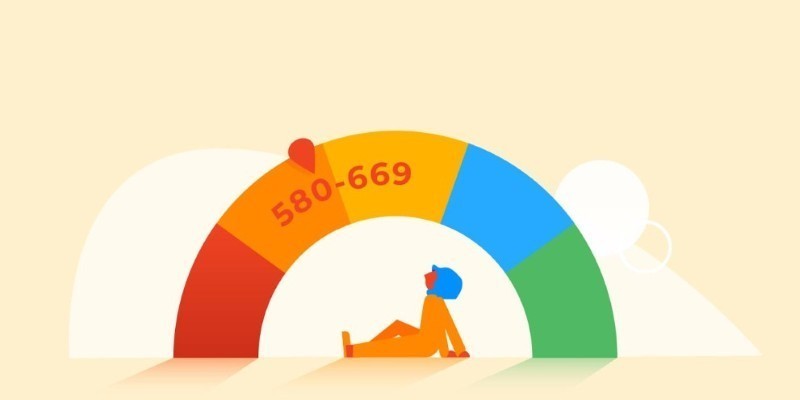
Fair credit usually falls in the FICO score range of 580 to 669. It signals to lenders that you've had some financial missteps or limited history, but you're not a high-risk borrower. Because of this, credit card companies often design products that give you access to credit while protecting themselves from loss. That usually means higher interest rates, stricter approval conditions, and fewer rewards compared to cards for those with higher scores. Yet, the right card can still provide benefits such as cash back, balance reporting to all three credit bureaus, and, in some cases, paths to automatic credit line increases after demonstrating responsible use.
For many with fair credit, secured credit cards are an entry point. These require a refundable deposit, which acts as the lender’s safety net. While they might seem restrictive, they report your payments just like any other card and help you build credit over time. On the other hand, unsecured cards for fair credit don’t require deposits, but they usually come with annual fees, modest credit limits, and limited perks. Choosing between the two depends on whether you want to prioritize building credit with fewer upfront costs or gaining access without tying up cash in a deposit.
Key Factors to Consider Before Applying
When evaluating credit cards for fair credit, pay close attention to fees, rates, and features. Interest rates tend to run high in this range, so carrying balances can quickly become expensive. If you think you might need to carry a balance, look for cards with the lowest possible annual percentage rate (APR). Annual fees are another common trade-off. Some cards charge them as a way to offset risk, but not all do. It’s worth calculating whether the benefits you get—such as cash back or credit reporting—outweigh the cost of the fee.

Another consideration is the possibility of credit limit increases. Some issuers automatically review your account after a set number of on-time payments. This can be valuable because higher available credit can reduce your utilization ratio, an important factor in your credit score. Rewards programs are less generous in this category, but a few cards offer modest cash back on everyday purchases like groceries or gas. While rewards shouldn’t be the main reason for applying, they can add value if they align with your spending.
Approval odds matter too. Applying for multiple cards within a short timeframe can hurt your score because of hard inquiries. Researching which issuers are more likely to approve applicants with fair credit helps reduce wasted applications. Pre-qualification tools can give you an idea of your chances without impacting your score. These small steps keep you from sliding backward while you’re trying to move forward.
Secured vs. Unsecured: Which is Right for You?
For someone with fair credit, one of the biggest decisions is whether to go with a secured card or an unsecured option. A secured card is generally easier to obtain, but it requires tying up money in a refundable deposit, which might be anywhere from $200 to $500 or more. The advantage is that your spending limit is often equal to the deposit, giving you predictable boundaries and a clear path to improve your credit through consistent use.
Unsecured cards are more attractive because they don’t require a deposit, but they can be harder to qualify for. They also tend to come with higher fees, such as annual or monthly maintenance charges, and stricter penalties if you miss payments. The choice often comes down to your financial comfort. If you can afford the deposit, a secured card may be the safer way to build credit. If not, an unsecured card designed for fair credit can still serve as a tool—as long as you’re cautious about fees and avoid carrying balances.
Building Toward Better Credit With the Right Card
The ultimate goal of choosing a credit card for fair credit isn’t just to have a card—it’s to use it as a stepping stone. Consistently paying on time, keeping balances well below your limit, and avoiding unnecessary fees all contribute to improving your score. Over time, this moves you into the good or excellent credit categories where interest rates are lower, rewards are richer, and credit limits are higher.

It helps to treat your fair credit card like a tool for rebuilding rather than a source of extra spending money. Many people use these cards for small, regular purchases—like gas or a monthly subscription—then pay them off in full each month. This pattern shows lenders' reliability without the risk of debt snowballing out of control. After a year or so of responsible use, you may be eligible to upgrade your card with the same issuer or qualify for a better product elsewhere. Some secured cards even return your deposit and transition you into an unsecured card once you've demonstrated positive habits.
The path isn’t fast, but it is steady. Each responsible swipe and on-time payment strengthens your financial profile. Over time, what began as a modest step with a limited card can turn into a foundation for stronger credit health.
Conclusion
Choosing a credit card with fair credit means balancing current needs and long-term goals. These cards may come with higher costs and limited perks, but selecting ones with low fees, the chance for a credit line increase, and consistent reporting to bureaus can help build credit over time. With steady use and on-time payments, fair credit can grow into good credit, unlocking access to stronger financial opportunities ahead.