Maintaining a healthy diet is crucial for longevity and overall well-being. While nourishing foods contribute to a healthier lifestyle, certain items can negatively impact your body over time. By identifying and minimizing these harmful foods, you can promote better health, reduce disease risks, and enhance your quality of life for years to come.
1. Processed Meats

Sausages, lunch meat, and other canned meats are commonly packed with sodium and other preservatives and chemicals. It has been associated with high cholesterol levels, blood pressure, and chronic organ strain following frequent use.
Healthier Alternative:
Opt of lean meat and fresh meat or eating plant foods such as tofu, lentils or chickpeas. Fresh forms of meat such as baking, grilling or steaming expose you to minimal concentrations of harmful compounds produced during processing.
2. Sugary Breakfast Cereals
Marketed as convenient morning meals, many breakfast cereals are high in added sugars and artificial colors. They cause rapid spikes in blood sugar, followed by crashes that can affect energy, mood, and focus.
Healthier Alternative:
Opt for unsweetened oatmeal topped with fresh fruits, nuts, or a dash of cinnamon. This gives you fiber and lasting energy without the sugar overload.
3. Deep-Fried Foods
Fried items like chips, fries, and fritters absorb unhealthy fats during cooking. These trans fats increase the risk of heart-related issues and can lead to inflammation in the body.
Healthier Alternative:
Try air-fried or oven-roasted versions of your favorite snacks. Use healthy oils like olive or avocado oil in moderation and incorporate more baked or steamed meals into your routine.
4. White Bread and Refined Grains
What remains is a starchy product that lacks essential fiber, vitamins, and minerals.
Regular consumption of refined grains can:
- Causes rapid spikes and crashes in blood sugar levels
- Increase the risk of metabolic imbalances
- Contribute to weight gain and reduced satiety
- Lead to long-term issues in digestive and cardiovascular health
Healthier Alternatives:
Replacing refined grains with whole, fiber-rich options offers a host of health benefits. These choices help stabilize blood sugar, support heart health, and improve digestion.
Try these instead:
- Whole grain bread instead of white bread
- Brown rice or wild rice in place of white rice
- Quinoa, barley, or millet as alternative grains
- Whole wheat or legume-based pasta over refined pasta
These options not only provide longer-lasting energy but also supply your body with essential micronutrients often lost in processed varieties.
5. Artificially Sweetened Beverages
Although low in calories, drinks with artificial sweeteners can alter taste perception and promote cravings for sweeter foods. Long-term use may affect metabolism and disrupt the body’s natural appetite regulation.
Healthier Alternative:
Choose naturally flavored water with slices of lemon, cucumber, or mint. Unsweetened herbal teas are also a good way to stay hydrated without additives.
6. Packaged Snack Foods
Convenient and flavorful, packaged snacks like flavored crackers, cheese puffs, and instant noodles are often loaded with:
- Excess sodium that can elevate blood pressure
- Unhealthy fats like trans fats or refined oils
- Artificial additives and preservatives
- Low fiber and minimal nutritional value
Frequent intake of such snacks may promote inflammation, lead to unwanted weight gain, and increase the risk of lifestyle-related health conditions.
Healthier Alternatives:
Snacking doesn’t have to be unhealthy. Choosing nutrient-dense, whole-food snacks can keep you full longer and provide valuable nutrients.
Consider:
- Roasted chickpeas or lentils for protein and fiber
- Unsalted mixed nuts like almonds, walnuts, or pistachios
- Vegetable sticks with homemade hummus or guacamole
- Homemade granola bars with oats, dates, and seeds
Mindful snacking can enhance energy levels and support your wellness goals, rather than hinder them.
7. Sweetened Condiments and Sauces
Many sauces and condiments, including ketchup, bottled dressings, and marinades, contain hidden sugars and unhealthy oils. Even small servings can add up quickly, affecting overall calorie intake and insulin response.
Healthier Alternative:
Make your dressings using ingredients like olive oil, lemon juice, and herbs. Natural seasonings and homemade dips let you control what goes into your food.
8. Microwave Popcorn with Additives
Store-bought microwave popcorn often includes artificial flavorings and chemical coatings inside the bag. These substances can emit compounds harmful to lungs and organs when heated.
Healthier Alternative:
Air-pop your popcorn and season it lightly with natural spices or a touch of sea salt. It’s a fiber-rich snack when prepared correctly.
9. Flavored Yogurts
Though yogurt is promoted as a healthy food, many flavored versions are laden with added sugars, artificial fruit flavorings, and thickeners. These additions can:
- Cancel out the probiotic benefits
- Add unnecessary sugar to your diet
- Affect blood sugar and weight control
- Diminish the overall nutritional value
Some single-serve flavored yogurts contain as much sugar as a dessert.
Healthier Alternatives:
Plain yogurt—especially Greek or skyr—offers protein and probiotics without additives. When paired with natural toppings, it becomes a powerful health food.
Enhance plain yogurt by adding:
- Fresh berries or sliced banana
- Chia seeds, flaxseeds, or pumpkin seeds
- Cinnamon, nutmeg, or a touch of vanilla extract
- A teaspoon of natural honey or maple (sparingly)
This approach preserves yogurt’s health-promoting qualities while keeping sugar content in check.
10. Frozen Meals and Instant Dinners
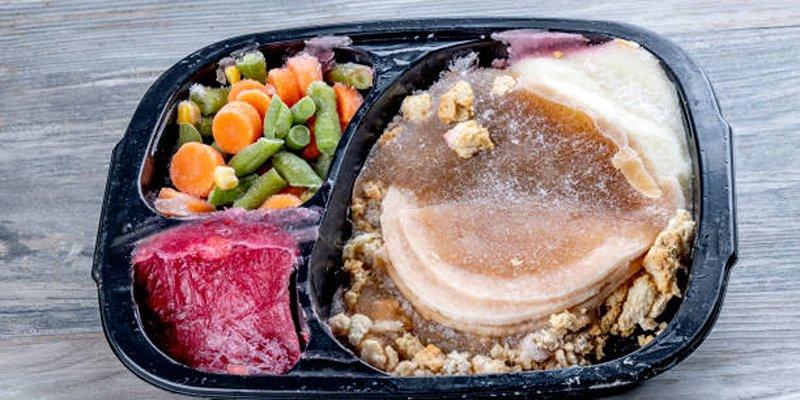
Frozen dinners and quick heat-and-eat trays may save time, but often at a nutritional cost. These meals tend to be:
- High in sodium to preserve taste and shelf life
- Low in fresh vegetables and fiber
- Filled with additives, artificial flavors, and unhealthy fats
Consuming them frequently can contribute to:
- High blood pressure
- Poor digestion
- Weight gain due to poor satiety
Healthier Alternatives:
Invest in preparing wholesome meals at home and freezing portions for future use.
- Batch-cook vegetable stir-fries, lentil stews, or whole grain pasta dishes
- Freeze soups or casseroles in individual containers for grab-and-go meals
- Use ingredients like brown rice, mixed vegetables, and lean proteins
This ensures a nutrient-dense meal is always available without the downsides of commercial frozen foods.
Conclusion:
Living a longer, healthier life is influenced by daily habits, and food is at the core. The ten items listed above are commonly found in modern diets but can contribute to declining health over time. By making mindful substitutions and focusing on whole, natural ingredients, you support your body’s needs and increase your chances of aging with vitality.