Many people depend on their cars every day, and with fuel costs rising, the idea of saving money at the pump through a gas rewards credit card sounds appealing. But if you have poor credit, finding a card that works for you can feel tricky. Most top-tier rewards cards are out of reach, leaving you with fewer choices, often tied to higher fees or stricter rules. Even so, there are smart ways to pick a card that helps reduce fuel expenses while steadily rebuilding your credit. With the right approach, you can balance short-term savings and long-term financial progress.
Understanding the Challenge of Poor Credit
When you have poor credit, the biggest hurdle is limited access to premium reward cards. Lenders see you as a higher risk, which means the cards you qualify for usually come with stricter terms. Interest rates tend to be higher, and the rewards may not be as generous as those offered to people with excellent credit. But this doesn’t mean you have no options.
Gas rewards cards for people with poor credit usually fall into two categories: secured cards and subprime unsecured cards. Secured cards require a refundable deposit, often matching your credit line. Unsecured cards don’t require a deposit but often come with higher fees. Both can work, but you need to balance your goal of earning rewards with the long-term objective of building credit.
It’s also worth recognizing that many cards for poor credit don’t directly advertise themselves as “gas rewards” cards. Instead, they may offer cash back on all purchases or specific categories. If gas spending is one of your largest monthly expenses, even a general cash-back card can function as a gas card in practice.
Key Factors to Compare
Choosing the right card involves looking past the headline promise of rewards. If you focus only on points or cash back, you may overlook hidden costs or restrictions that reduce your actual benefit. Several areas deserve attention.
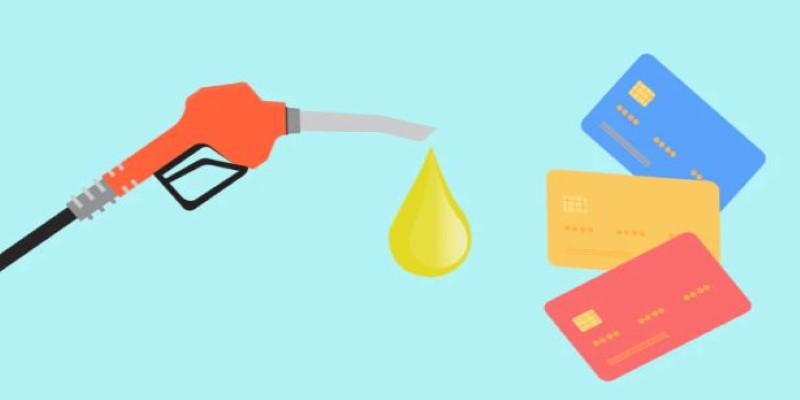
First, examine the reward structure. Some cards provide a flat rate on all purchases, while others give a higher percentage on fuel spending. For example, one card might offer 1.5% cash back everywhere, while another offers 3% on gas and less elsewhere. Which is better depends on how much of your budget goes to fuel compared to other purchases.
Second, consider the annual fee. For someone with poor credit, a card with no fee is usually best. Paying $50 or $100 a year can wipe out any savings from rewards unless you drive an unusually high number of miles. Some cards may bundle additional costs, such as monthly maintenance fees, which can be even more damaging over time.
Third, look at interest rates. If you carry a balance, high interest can outweigh rewards completely. For example, if you earn $10 in rewards in a month but pay $25 in interest, you are worse off. The safest strategy is to pay the balance in full each month. If that’s not possible, prioritize finding a card with the lowest rate you can qualify for, even if the rewards are modest.
Another factor is how the card reports to credit bureaus. To rebuild credit, the issuer must report your activity to all three major bureaus. If they only report to one, your progress will be slower and less useful.
Finally, check for extra conditions. Some cards limit the total rewards you can earn in a quarter or year. Others may require you to redeem rewards in certain ways, which can make them harder to use. A straightforward cash-back card is often easier to manage than one tied to a complex points system.
Building Credit While Saving on Gas
The ultimate goal of choosing a gas rewards credit card when you have poor credit is not only saving money at the pump but also building a foundation for future financial opportunities. Using the card responsibly will open the door to better offers down the line.
Start with manageable spending. Use the card strictly for gas purchases if that helps you control the balance. Set aside the money for fuel in advance, so you can pay the bill in full each month. This approach ensures you benefit from rewards without falling into debt.
Keep your utilization low. Even if your card limit is only a few hundred dollars, avoid maxing it out. Credit scoring models reward low utilization, ideally below 30% of your limit. If your limit is $300, aim to keep the balance under $90 at any point.
Pay on time without exception. A single late payment can undo the progress of several months of good behavior. Setting up automatic payments or reminders ensures you never miss a due date.
Over time, your consistent payment history will improve your credit score. As it rises, you can qualify for better cards that offer stronger gas rewards programs. At that stage, you may find cards that give 3–5% back on fuel, often with higher limits and better benefits. But the path to those cards starts with proving you can manage credit responsibly, even with limited options.
Conclusion
Finding a gas rewards credit card with poor credit is less about chasing the highest rewards and more about balancing immediate savings with long-term credit repair. By focusing on secured or entry-level cards, keeping an eye on fees, and managing your spending carefully, you can still earn back a portion of what you pay at the pump. More importantly, you’ll be building the habits and credit history that lead to stronger financial options in the future. Gas may only be one expense in your budget, but the right card can make each gallon a step toward better credit and more freedom down the road.