Glutamate is one of the most abundant amino acids generated by the human body and is found naturally in different types of foods. It is thought to be the main excitatory neurotransmitter in the human neurological system. Glutamate at normal levels gives brain cells energy, aids in mood regulation, helps in memory and learning control, and supports an appropriate sleep cycle.
Besides that, nerve health may suffer if glutamate levels are either high or too low. So, glutamate must be present in the right amounts in the right locations at the right times for the proper functioning of your nervous system. In case you are thinking of adding glutamate to your diet and don't know which is the best source of glutamate, this article is all about what you are interested in learning. So, continue reading!
High Glutamate Foods
Several foods include glutamate naturally, so you can increase their intake in your diet if your brain cells are producing a low amount of glutamate. Let's learn about those foods in detail here:
- Nuts: Glutamate levels are high in walnuts. There are 658 mg of glutamate in 100 grams of walnuts. Additionally, keep in mind that walnut oil and butter contain significant amounts of amino acids and that may cause allergies in some people.
- Tomatoes: Approximately 250 mg of glutamate can be found in 100 grams of fresh tomatoes, making them the best source of glutamate. So, be moderate while consuming tomato-based foods such as tomato soup and sauce. That's because one cup portion of tomato sauce might include up to two tomatoes, and a medium tomato weighs approximately 150 grams.
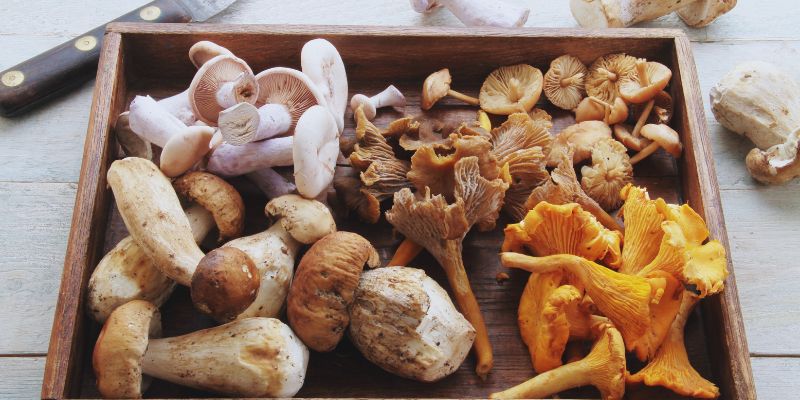
- Mushrooms: There are about 1,060 mg of glutamate per 100 grams of dried shiitake mushrooms. Even though white button mushrooms have a considerably lower amountjust 180 mg per 100 grams, those who are attempting to cut out glutamate from their diet should avoid mushrooms completely.
- Processed Meat: If you want to restrict your intake of glutamate, stay away from canned, frozen, or deli counter-purchased cured ham. That's because 100 grams of ham contains 340 mg of glutamate.
- Seafood: Glutamate levels in some fish, such as anchovies, are modest. There are 630 milligrams per 100 grams of anchovies. Glutamate is also present in scallops and oysters, with 160 and 150 milligrams per 100 grams, respectively.
- Peas: 100 grams of peas contains 200 mg of glutamate, which is higher than that of many other vegetables. If you must eat them, keep your serving sizes small to prevent consuming too much glutamate.
- Starchy Vegetables: Despite their comparatively low glutamate levels, some people may have issues with corn and potatoes. About 100 milligrams of glutamate are present in a 100-gram portion of corn or potatoes. Portion size is crucial for reducing glutamate intake because a 100-gram chunk of mashed potatoes is less than cup.
- Cheese: These foods have a distinct flavor called umami, which is caused by the large quantity of glutamate in them. In addition to sweet, salty, bitter, and sour, umami is the fifth fundamental taste that people can identify. With 1680 mg of glutamate per 100g of cheese, Parmesan has the highest glutamate content.

Low Glutamate Alternatives
Follow foods contain low amounts of glutamate, so you can add them into your diet without any worries if you want to avoid glutamate:
- Cheddar Cheese: Compared to parmesan or Roquefort, cheddar cheese has a significantly lower glutamate content. 100 grams of cheddar contains 180 mg of glutamate.
- Blueberries: Many Fruits, like blueberries, are safe to eat as they contain a comparatively low amount of glutamate. Plus, they offer protection against glutamatergic excitotoxicity, which can damage or kill nerve cells.
- Cod, Mackerel, Salmon: You should only eat fish like salmon, mackerel, or cod if you wish to indulge in seafood. With only 9 mg of glutamate per 100 grams, cod has the lowest amount, while mackerel has 36 mg and salmon has 20 mg.
Understanding the Glutamate Function
Glutamate is an essential neurotransmitter that facilitates communication between nerve cells. Cells that regulate these signals reabsorb the messenger after releasing glutamate in a highly controlled manner as needed. Glutamate functions as:
- Chemical Messenger: Glutamate is used to transmit messages between nerve cells.
- Energy Source Of Brain Cells: Brain cells can use glutamate as a power source when glucose is scarce.
- Learning and Memory Regulation: Glutamate plays a role in the continual strengthening or weakening of neuronal impulses that influence learning and memory.
- Pain Transmitter: Increased feeling of pain is associated with higher glutamate levels.
- Mood Regulation: Severe depression, schizophrenia, and other mood disorders may be enhanced by glutamate malfunction.
After discussing glutamate functions, the most important question here is what happens if you have too much and too low glutamate. Lets understand the effects of both here:
Too Much Glutamate
Excessive amounts of glutamate can cause various health issues, including the following:
- Anxiety disorders
- Multiple sclerosis
- Fibromyalgia
- Parkinsons disease
- Autism spectrum disorders
- Huntingtons disease
- Amyotrophic lateral sclerosis
- Neurodegeneration after traumatic brain injury
Too low Glutamate
Both too little and too much of this amino acid might be problematic. It is due to the fact that it is not only a significant neurotransmitter but also has a role in numerous immunological and digestive system processes. Too little glutamate results in:
- Insomnia
- Low energy
- Mental exhaustion
- Trouble concentration
- Schizophrenia
What are the Health Benefits Of Glutamate?
Intestines, muscles, and the brain have massive amounts of glutamate. The human body produces it, and it is necessary for regular bodily functions. The health benefits of glutamate are:
- Boosting the production of proteins
- Aiding in the creation of cellular power
- Controlling inflammation
- Generating glutathione, an antioxidant
- Supporting the growth of bones and the healing of muscular tissue
- Promoting the "gut-brain connection" by stimulating the gut's serotonin production and vagus nerve
Conclusion:
The most prevalent amino acid in the human diet is glutamate. Meat, soy, tomatoes, mushrooms, and other foods derived from plants and animals are among the foods that contain this non-essential amino acid. Both too little and too much of it might be problematic. The greatest strategy to get the amount you consume normal is to replace processed and packaged foods with whole, unaltered foods.