A strong core is the foundation of overall fitness and injury prevention. It enhances balance, stability, and posture while boosting performance in daily activities and workouts. Incorporating core exercises into your routine is essential for building and maintaining strength. Here, we’ll explore six effective exercises to help you achieve solid and resilient abs.
1. Plank Hold: Mastering Static Stability
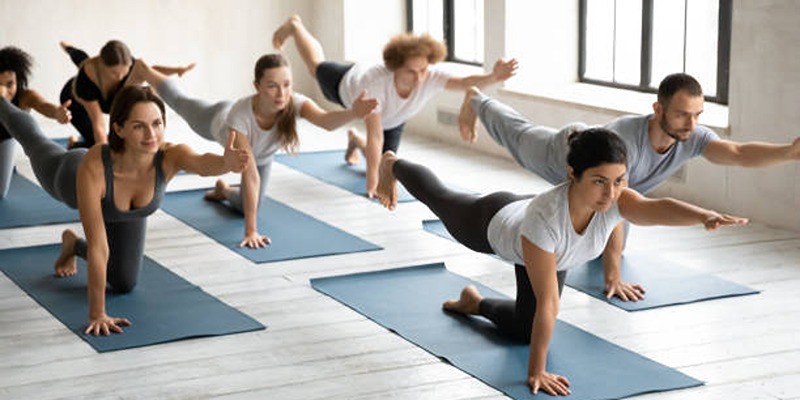
Plank exercise is the basis of core strength. It works the deepest abdominal muscle, transverse abdominis, as well as the shoulders, gluteals, and back.
How to Do It:
- Start in forearm plank with the elbows underneath the shoulders.
- In the straight line, keep the body straight from the head to the heels.
- Activate the core with no sagging at the hips or arching in the lower back.
- Take 30 seconds to 1 minute and concentrate on deep breathing.
Benefits:
- Improves posture and balance.
- Builds isometric core endurance.
- Reduces the risk of lower back discomfort when done consistently.
2. Dead Bug: Precision Core Control
The dead bug exercises the deep core as it promotes stability in the spine. It conditions your body to move your limbs without hurting your lower back.
How to Do It:
- Slowly lower your right arm and left leg toward the floor while keeping your core tight.
- Return to the starting position and switch sides.
- Perform 10–12 controlled reps on each side.
Benefits:
- Strengthens the core without stressing the spine.
- Enhances coordination and motor control.
- Ideal for beginners and advanced individuals alike.
3. Russian Twists: Engaging the Obliques
Russian twists primarily target the oblique muscles on the sides of your abdomen. This rotational movement improves your ability to twist, turn, and stabilize during dynamic activities.
How to Do It:
- Lean back slightly, keeping your spine straight.
- Clasp your hands together and rotate your torso from side to side.
- For added difficulty, lift your feet slightly off the ground or hold a weight.
Benefits:
- Strengthens rotational movement patterns.
- Tones the side abdominal wall.
- Improves balance and agility.
4. Leg Raises: Lower Abdominal Activation
Leg raises are a highly focused abdominal exercise, specifically targeting the lower region of the rectus abdominis—an area that many people struggle to engage effectively. In addition to building core strength, leg raises play a key role in improving pelvic control, hip mobility, and overall trunk stability, making them an essential movement in any core routine.
How to Do It:
- Lie flat on a mat with your legs extended and arms positioned beside your body, palms facing down.
- Keep your lower back gently pressed into the floor to prevent arching.
- Inhale deeply, brace your core, and lift both legs slowly toward the ceiling until they form a 90-degree angle.
- Exhale as you lower your legs back down with control, stopping just before your heels touch the ground.
- Repeat for 10–15 repetitions, focusing on maintaining tension in the abdominal area throughout the movement.
Benefits:
- Focuses on lower ab strength.
- Encourages pelvic control and reduces instability.
- It can be progressed with ankle weights or done hanging from a bar.
Form Tips:
- Avoid swinging or using momentum.
- Engage your lower abs throughout the lift and descent.
- Keep your neck and shoulders relaxed.
5. Bicycle Crunches: Dynamic Core Engagement
Bicycle crunches are a dynamic abdominal exercise that incorporates both rotation and flexion. This compound movement effectively targets three major areas of the core:
- Upper abdominal muscles
- Lower abdominal muscles
- Obliques (side abdominal muscles)
The continuous motion also boosts cardiovascular engagement, helping to improve muscular endurance and burn calories.
How to Do It:
- Begin by lying flat on your back, hands placed lightly behind your head (avoid pulling on the neck).
- Lift your legs, keeping knees bent at a 90-degree angle.
- Contract your core as you bring your right elbow toward your left knee, extending your right leg straight out.
- Switch sides, bringing the left elbow toward the right knee, continuing the pedaling motion.
- Perform 15–20 repetitions per side at a steady, controlled pace.
Form Tips:
- Keep your core tight throughout the movement.
- Avoid jerking your head forward; the motion should come from your torso.
- Maintain a consistent tempo for maximum engagement.
Benefits:
- Engages multiple abdominal muscles simultaneously.
- Builds rotational strength and control—essential for sports and daily activities.
- Enhances core endurance due to continuous movement.
- It can be adjusted to suit various fitness levels by slowing or speeding the pace.
6. Bird-Dog: Core Strength with Stability
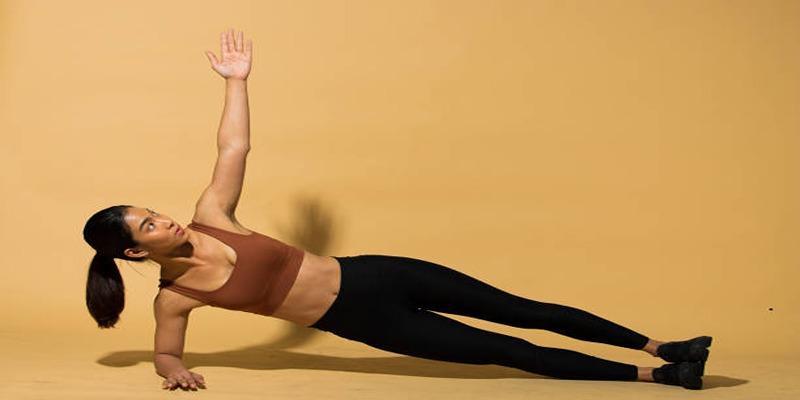
The bird-dog works the entire core along with the lower back and glutes. It reinforces stability, making it especially beneficial for daily activities and overall spinal health.
How to Do It:
- Start on your hands and knees in a tabletop position.
- Extend your right arm forward and left leg back, keeping your hips level.
- Pause briefly, then return to the starting position and switch sides.
- Complete 10–12 reps per side.
Benefits:
- Enhances balance and coordination.
- Promotes proper spinal alignment.
- Useful for injury prevention and posture improvement.
Tips for Effective Core Training:
- Prioritize Form Over Reps: Always perform each movement with precision. Poor form reduces effectiveness and increases the risk of discomfort or injury.
- Stay Consistent: Include core exercises 3–4 times a week. Consistency is the key to visible and functional results.
- Breathe with Purpose: Don’t hold your breath. Breathe deeply to stabilize your core during each exercise, especially on the effort phase.
- Mix Static and Dynamic Movements: Combining isometric holds (like planks) with dynamic motions (like bicycle crunches) creates a well-rounded routine that challenges your muscles in different ways.
- Don’t Rely Solely on Ab Exercises: A strong core is supported by full-body strength. Combine core workouts with compound movements like squats, lunges, and overhead presses for optimal strength development.
Sample Weekly Core Routine:
Day | Exercises |
Monday | Plank Hold (3 sets), Dead Bug (3 sets), Bird-Dog (2 sets) |
Wednesday | Leg Raises (3 sets), Bicycle Crunches (3 sets), Russian Twists (2 sets) |
Friday | Mix and match any 4 of the above for a 15–20 minute circuit |
Conclusion:
Your core is more than just visible abdominal muscles—it's the stabilizing center of your body that influences movement, posture, and balance. By incorporating these six essential exercises into your routine, you can build a core that is not only defined but also resilient and functional. Whether you're a beginner or seasoned fitness enthusiast, these movements lay a solid foundation for long-term health and strength.